


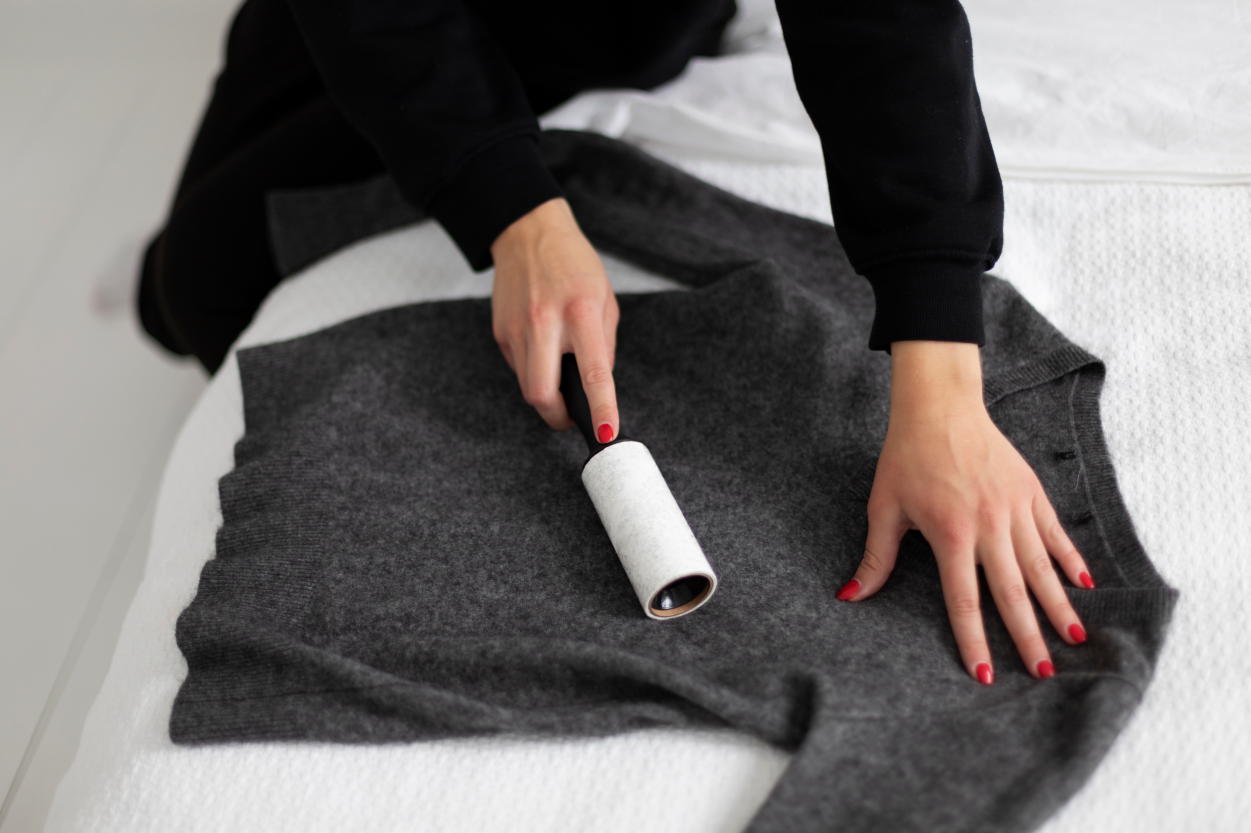
Have you noticed that your new clothes start pilling after just a few wears? Especially on sweaters, sweatshirts, and jackets, the cuffs and underarms are often the first to be affected. Don’t be too quick to blame the quality—it’s not always about cheap fabric! Even expensive pieces can pill under the right (or wrong) conditions.
Let’s break it down.
What Is Pilling, Anyway?
Pilling happens when short or broken fibers on the surface of your clothing tangle together and form tiny balls. These little fuzzballs usually show up in areas that get the most friction—like where your arms rub against your sides, or where a bag strap sits on your shoulder.
Pills are more common on soft, warm fabrics like wool, fleece, and cotton blends. The cozier the material, the more likely it is to shed some fibers and start pilling over time.
Why It Happens So Quickly
So why does it sometimes feel like your brand-new hoodie is pilling by week two? A few common reasons:
- Blended Fabrics
Fabrics that mix natural and synthetic fibers (like cotton-polyester blends) are more prone to pilling. The natural fibers break, and the synthetic ones hold on, causing those broken pieces to cling together in pills. - High Friction Areas
Any part of your clothes that experiences rubbing—underarms, sleeves, thighs, etc.—is going to pill faster. Wearing a crossbody bag, leaning on your desk, or even hugging your arms a lot can speed things up. - Washing & Drying
Machine washing and tumble drying can be brutal on delicate fabrics. The agitation and heat cause fibers to break and ball up. Overloading the washer can make it worse, as clothes rub harshly against each other.
How to Prevent (or At Least Reduce) Pilling
The good news? There are a few simple ways to keep your clothes looking fresher, longer:
- Turn Clothes Inside Out Before Washing
This protects the outer fabric from direct abrasion in the washer and dryer. - Use a Gentle Cycle and Cold Water
Less friction = fewer pills. Cold water also helps preserve fabric quality and color. - Air Dry When Possible
Skip the dryer when you can. Heat can damage fibers and encourage pilling. - Use a Fabric Shaver or Lint Remover
Already have pills? No problem. Gently shave them off with a fabric shaver or use a pumice-style lint remover to freshen up your garments. - Be Picky with Fabrics
When shopping, look for tightly woven materials or 100% natural fibers like cotton or wool. These tend to pill less than blended or looser knits.
Pilling is a normal part of wear and tear—especially on comfy, well-loved clothes. It doesn’t mean your clothing is ruined, just that it’s being lived in. With a little care and a few tricks, you can keep your wardrobe looking sharp and feeling cozy for much longer.
So don’t toss that pilled-up sweater just yet—show it a little love, and it’ll stick with you for seasons to come.