


Does your skin feel tight after washing your face? Does your face become oily shortly after washing? Do you frequently experience breakouts? It may be that you have not selected the appropriate facial cleanser. The facial cleanser is the first and most critical step in facial cleansing. Choosing the right facial cleanser can boost your skincare routine. It helps improve and balance your skin texture. Today, we’ll discuss how to choose the right facial cleanser based on your skin type and skincare needs.
1. Types of Facial Cleansers
Knowing the different types of facial cleansers is crucial. It helps you pick the one that’s right for you. In this section, I’ll break down the most common types and suggest options based on your skin type.
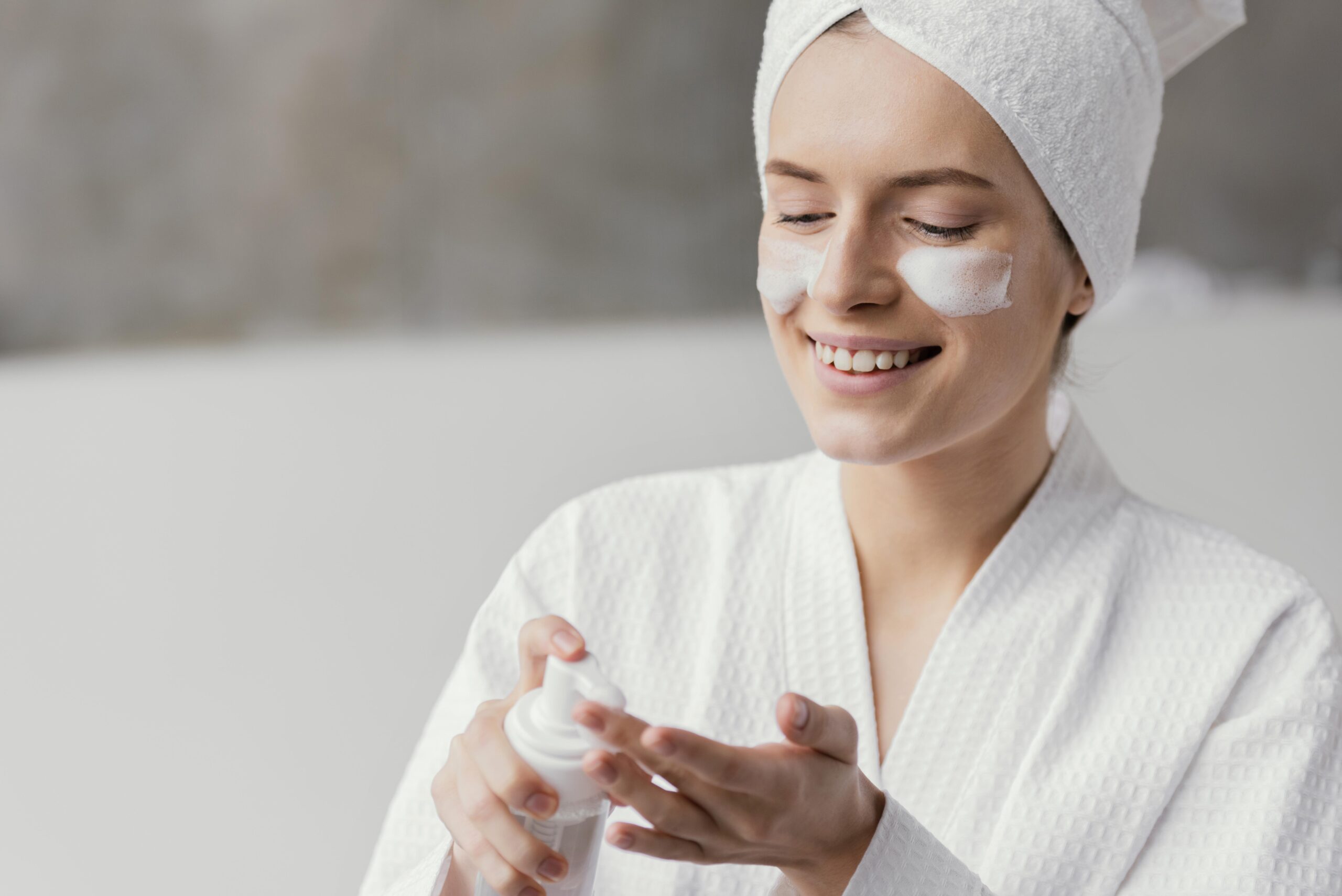
Foam-based Cleansers
Foam-based cleansers create a lot of foam that goes deep into pores. They help remove excess oil and impurities. The bubbles gently remove dead skin cells. They reduce keratin buildup and help prevent clogged pores. Foam cleansers are light in texture and leave no sticky residue. This makes them perfect for oily skin.
This cleanser works well for oily or acne-prone skin. However, it may be too drying for dry skin.
Lotion-type Cleansers
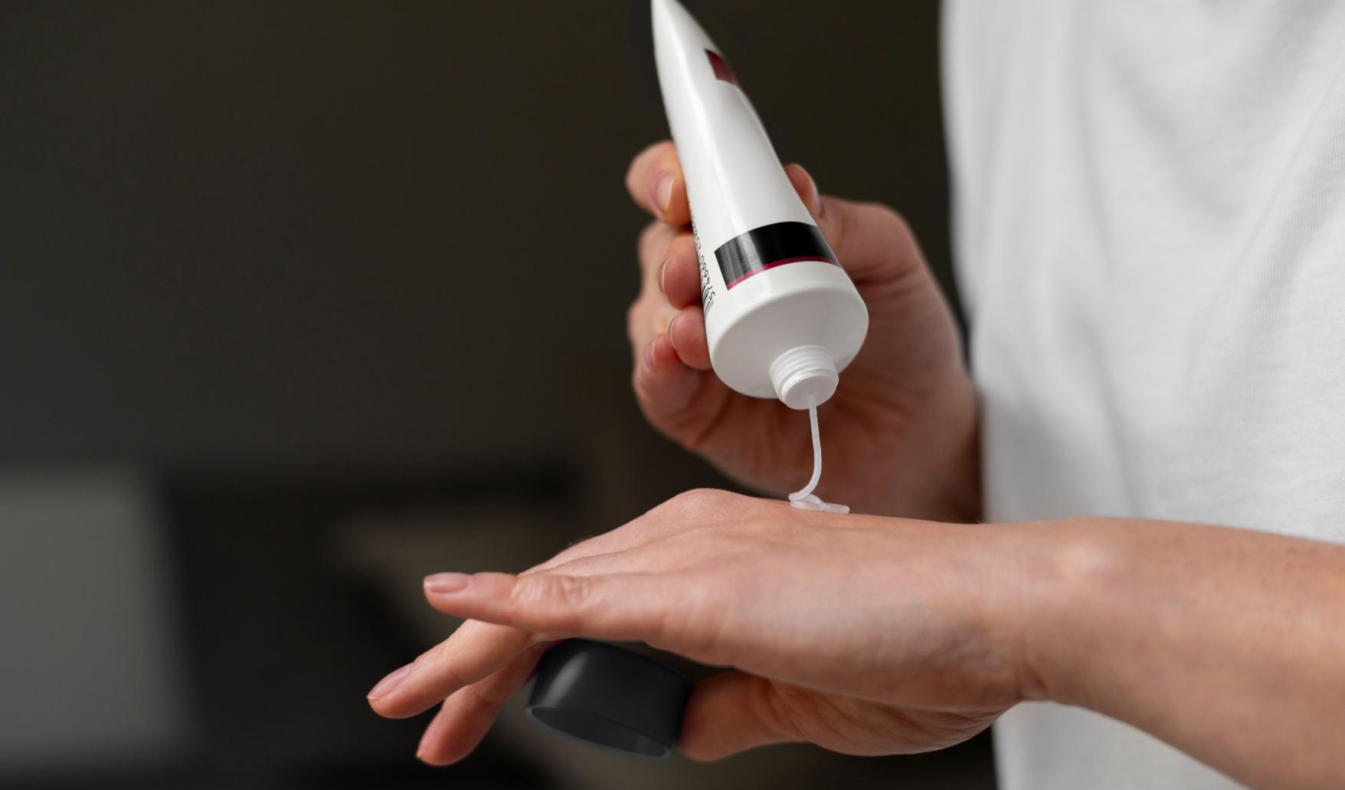
Lotion-type cleansers are gentle and moisturizing. They’re perfect for dry skin.
Lotion-type cleansers are thick and creamy. They contain moisturizing ingredients like glycerin, hyaluronic acid, and plant oils. These help lock in moisture after cleansing and prevent dryness. They’re gentle on the skin. They protect the skin barrier and prevent dryness from over-cleansing.
Gel-based Facial Cleanser
Some cleansers have additives and fragrances to boost effectiveness or improve the experience. These may not be suitable for sensitive skin. Gel-based cleansers are gentler than foam ones. They usually don’t contain fragrances or alcohol. They clean the skin while keeping the skin barrier intact. This helps prevent tightness and dryness. This makes them ideal for sensitive skin.
Scrub-type Facial Cleanser
This cleanser has tiny particles that exfoliate dead skin cells. The friction helps promote skin renewal. It is suitable for oily or acne-prone skin. However, it is not recommended for frequent use—no more than 2–3 times a week—as it can damage the skin barrier. This cleanser doesn’t lather, so it’s not as pleasant to use as the other types.
2. Skin Type Assessment and Facial Cleanser Selection
We’ve already covered different types of facial cleansers. Each one is suited for a specific skin type. This step explains how to determine your skin type.
Post-cleansing Observation
After washing your face, do not apply any skincare products and wait for 30 minutes.
- If you have dry skin, you will feel your skin become dry, tight, and even slightly painful.
- If you have oily skin, you will feel your face become oily, especially in the T-zone.
- If you have normal skin, your face won’t feel dry or oily. Your skin naturally keeps a balanced oil-water ratio.
- If you have combination skin, your T-zone will be oily. But areas like your eyes and cheeks will stay dry.
Blotting Paper Test
After washing your face, press a piece of blotting paper on your forehead, nose, and chin.
- If you have dry skin, there will usually be no oil residue on the blotting paper.
- If you have oily skin, there will be noticeable oil residue on the blotting paper.
- If you have normal skin, there will be some oil residue on the blotting paper but not a lot.
- If you have combination oily skin, the blotting paper on your T-zone will show oil. Other areas won’t have any.
Sensitive skin may experience redness and stinging when using many irritating skincare products. If you experience this, you are likely to have sensitive skin.
Facial cleanser is the first step in skincare, so we must choose carefully to find the one that suits us best.
Choosing the right facial cleanser is essential for maintaining healthy skin. The cleanser you use should match your skin type and address specific concerns. Foam-based cleansers work well for oily or acne-prone skin. They remove excess oil and impurities without leaving residue. Lotion-type cleansers are perfect for dry skin. They clean gently and provide moisture without stripping natural oils. Gel-based cleansers are perfect for sensitive skin, cleansing without irritation. Scrub-type cleansers have exfoliating particles. They’re great for oily skin but should be used sparingly. Overuse can damage the skin barrier. To determine your skin type, observe how your skin feels after washing and use a blotting paper test. Choose a cleanser that complements your skin’s unique needs for optimal results.