


On the corner, a Walkman blasts Tupac. Teenagers skate by graffiti walls, their baggy jeans swinging with every move. Across the court, kids watch players in new Air Jordans. They dream of jumping as high as Michael Jordan. On TV, Will Smith wears bright T-shirts and baseball caps in The Fresh Prince of Bel-Air. He brings the energy of the streets into every home. In the 90s, fashion, music, and sports blended together. Street culture wasn’t just style. It was life.
Today, let’s look back at the 1990s. We’ll see how street culture shaped fashion then—and how it still influences styles today.
1. 1990s Fashion Style
Every era has its distinct clothing characteristics and pop culture. The 1970s were defined by freedom, hippie culture, and counterculture. The 1980s were characterized by luxury, exaggeration, and a sense of power. The 1990s, however, clearly broke away from many of the 1980s’ fashion trends. Tight jackets and skinny jeans went out of style. Narrow ties were no longer trendy. The puffy Afro hairstyle disappeared. Even 80s disco and synth-pop music lost its popularity.
In short, the 1990s were an era of loose-fitting clothing. In the 1990s, the U.S. was stable after the Cold War. The economy was strong. The internet was rising, and MTV became huge. Young people stopped just following trends. They wanted to express themselves and show their identity. Hip-hop music set the tone. Skateboarding added edge. Sports stars inspired style. MTV spread it all. Together, they created a free and rebellious vibe. This atmosphere gave birth to street fashion. Baggy jeans, sneakers, flannel shirts, and baseball caps became the look of the decade.
Baggy clothing was a statement: I don’t follow the rules; I dress for comfort. Fashion was no longer controlled by big brands or magazine editors. It came straight from young people’s everyday lives. The fashion of the 1990s was fashion for ordinary young people.
2. Representative Style Elements of the 1990s
Baggy Jeans
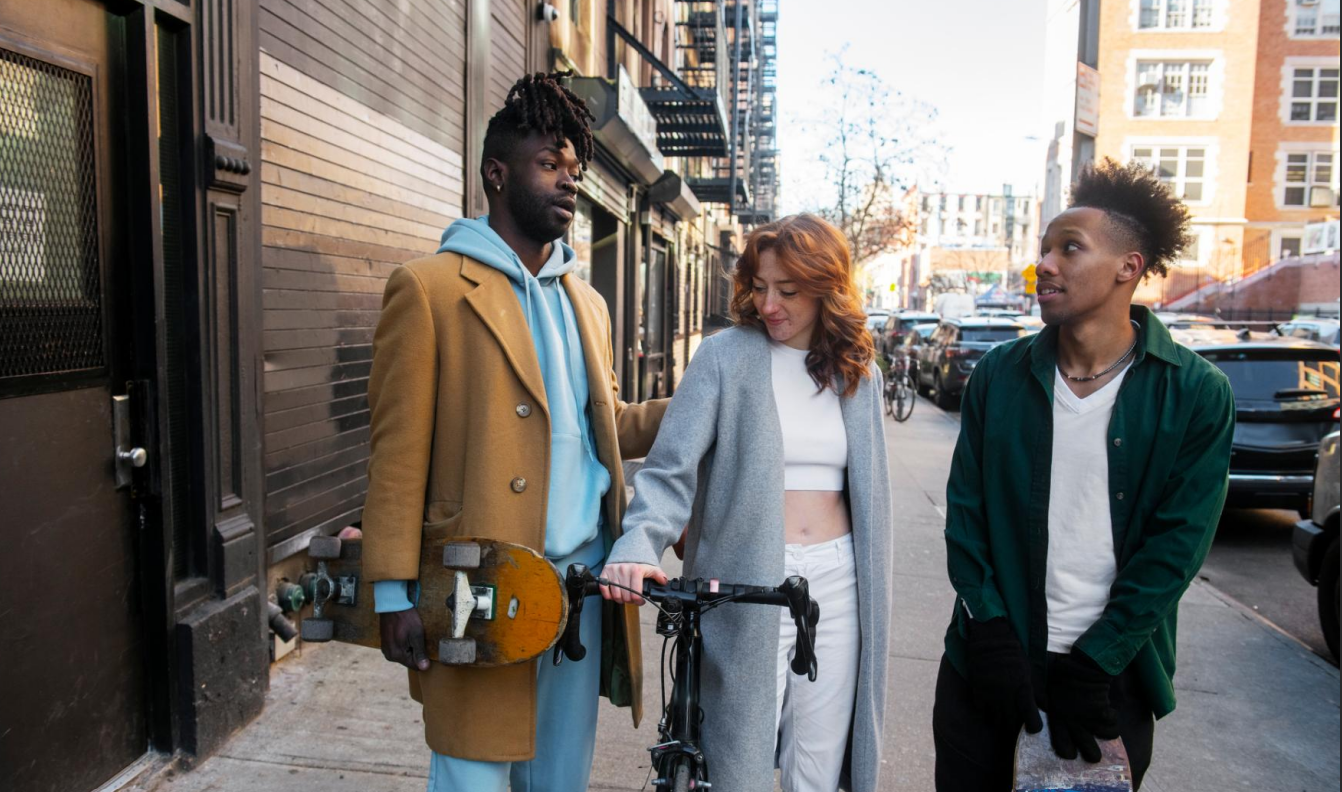
Baggy jeans symbolized freedom and street attitude, beloved by hip-hop artists and skateboarders.
Oversized Tops
T-shirts, hoodies, and sweatshirts were everywhere in the 1990s. The rule was simple: the bigger, the better. This seemingly ill-fitting style was actually a rebellion against mainstream fashion. Brands like Tommy Hilfiger and Champion were all the rage on the streets during this period.
Plaid Flannel Shirts
Thanks to bands like Nirvana, flannel shirts became a hallmark of grunge style. Worn open with ripped jeans, they epitomized 90s cool.
Sneakers
Air Jordan, Nike Air Max, Converse All Star—sneakers became a symbol of street identity. Back then, young people saved money to buy a limited-edition pair. Owning them was just as important as chasing trendy brands today.
Baseball Caps & Bucket Hats
Baseball caps were a key part of street sports style. They made anyone look more energetic. Bucket hats got popular too. Hip-hop stars like LL Cool J made them a must-have. Both styles were casual and cool, making them essential to 90s street style.
Logo Mania
90s kids loved showing their identity through clothes. Big logos from brands like Tommy Hilfiger, Fila, and Nike were everywhere. A bold logo could make you stand out in a crowd, serving as both a fashion statement and a symbol of social status.
3. The Influence of Popular Culture on 1990s Fashion Styles
The Rise of Hip-Hop Music
The lyrics of Tupac and Notorious B.I.G. captured the emotions of young people during that era. The fashion choices of these hip-hop stars became iconic symbols of street style. As hip-hop got popular on MTV, street style moved from the Bronx to teens all over the U.S.
Fashion Trends in TV Shows and Movies
Many fans watched The Fresh Prince of Bel-Air. Will Smith wore colorful jackets, oversized T-shirts, and baseball caps. He brought street culture into family living rooms across America. Films like Clueless popularized plaid suits and cropped tops as campus trends.
The Influence of Sports Stars
Michael Jordan, soaring on the basketball court, was not only a sports legend but also a fashion icon. Air Jordan sneakers were a must-have in 1990s street culture. Every kid wanted a pair. Beyond basketball, skateboarding grew in California. Shoes like Vans and Converse became identity symbols for skaters. They made street style more diverse and free.
The 1990s were a golden era for American streetwear. Music, sports, and youth culture shaped the style. Oversized jeans were everywhere. Graphic T-shirts made a statement. Flannel shirts added edge. Snapback caps completed the look. All of it felt relaxed and rebellious. Hip-hop stars like Tupac and Notorious B.I.G. made baggy clothes and Timberland boots iconic. Skaters made Vans sneakers and loose cargo pants popular. TV shows like The Fresh Prince of Bel-Air made streetwear popular. Michael Jordan’s fame did too. Together, they brought street style into the mainstream. Fashion, sports, and entertainment all came together. More than clothing, 90s street style represented freedom, creativity, and identity. Today, many of these styles are back. Fashion cycles bring them around again. They show how the 90s still inspire modern wardrobes.