


What comes to mind when you think of Japanese fashion? Japanese fashion has changed a lot over the years. Before the bubble economy, fashion was all about polished Western office wear. Street style was luxurious and high-end. In the early 2000s, street culture and minimalist looks took over. Today, comfort and sustainability in simple outfits dominate. These shifts reflect changes in Japan’s society and economy. But despite all these changes, something seems to have stalled. Japanese fashion, once known for its vibrant innovation, has become more conservative. By the 2010s, minimalist style was everywhere—and it hasn’t really changed since. Decades later, those same styles still fill stores and line the streets. Today, we will dissect Japanese fashion and explore the “lost decade” of Japanese style.
1. From the Past to the Present: Japan’s Mainstream Style Over the Past Decade
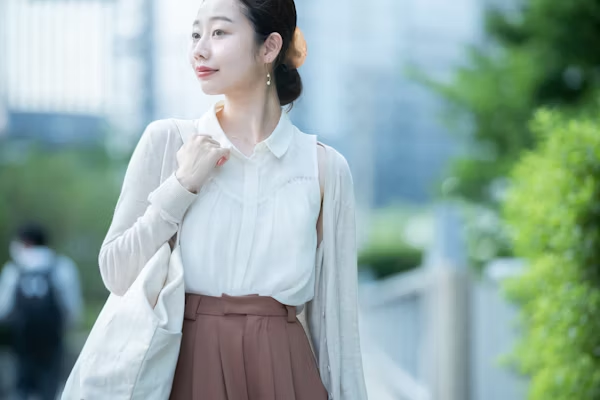
Minimalist, comfortable fashion is everywhere in Japan. You see it on the streets, at work, and in daily life. It’s become the main trend in Japanese fashion. It emphasizes “less is more,” combining clean designs with comfortable wearability. This minimalist and comfortable style also reflects Japan’s meticulous attitude. At first, minimalist and comfortable clothing might seem simple. But it flatters the figure and looks great on. Japanese mass-market brands have embraced this style. The result? Minimalist, comfortable fashion has been the dominant trend for the past decade.
2. The Stagnation of Fashion: Cultural Factors
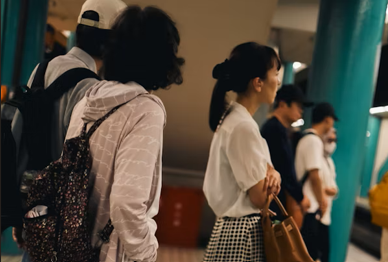
“The crowd” is a key part of Japanese culture. Fashion isn’t just a personal choice anymore. There’s a saying: Before the bubble economy, Japanese people bought up all the LV in the world. This shows both the strength of Japan’s golden economic era and its “crowd” mentality. When everyone is buying LV, not doing so makes you an outsider. Therefore, design also follows the “crowd.” This “conformist” mentality permeates every aspect of the fashion industry. Japanese clothing brands have strict rules for store staff. This includes everything from hairstyles to makeup. Employees must wear a specific makeup style. They have to use MAC cosmetics in a particular shade. Their hair must be styled wet. In this environment, individualism is suppressed. Clothing styles are limited to set guidelines.
In contrast, South Korea and Western Europe have taken different paths in fashion. South Korea has embraced individualism and innovation. K-pop and street fashion have led the way, with bold, experimental styles that mix things up. Western fashion has shifted too. Since the late 20th century, it’s moved away from mass-market designs. Now, freedom and diversity rule. Fashion celebrates creativity, whether it’s gender fluidity or cross-genre styles. It’s all about personal expression, not just following trends.
3. The Stagnation of Fashion: Economic Factors
Prolonged Economic Downturn
Since the bubble economy burst in 1991, Japan’s economy has struggled. In the 2010s, even with the “Abenomics” stimulus, growth stayed slow. The aging population, high debt, and global economic uncertainty all played a part. This economic weakness led to low consumer confidence, especially among younger people. As a result, many were less willing to spend. Many young people face high living costs, low-paying jobs, and unstable employment prospects. In this environment, demand for luxury goods and high-end fashion has stayed low. This has limited innovation from brands and designers. As a result, the fashion industry remains focused on low prices and faces weak demand.
Population Aging
Japan has one of the world’s oldest populations, with fewer young consumers. As the younger population shrinks, fashion demand is changing. People are leaning more toward mature, steady, and practical styles. This change has slowed innovation in Japan’s fashion industry. Middle-aged and elderly consumers prefer classic styles, comfort, and durability over trends. As a result, Japanese fashion is becoming more conservative and stable. There is less focus on bold designs for younger shoppers.
Rigid Industrial Structure
Japan’s fashion industry is relatively conservative. Design, production, and sales cycles are long. Many brands and designers are used to slow, careful processes. However, fashion trends change quickly, and global consumer demands are always shifting. Brands need to adapt fast. But Japan’s industry lacks flexibility and innovation. As a result, brands struggle to stay competitive in the market.
4. Decline in the Appeal of Japanese Fashion
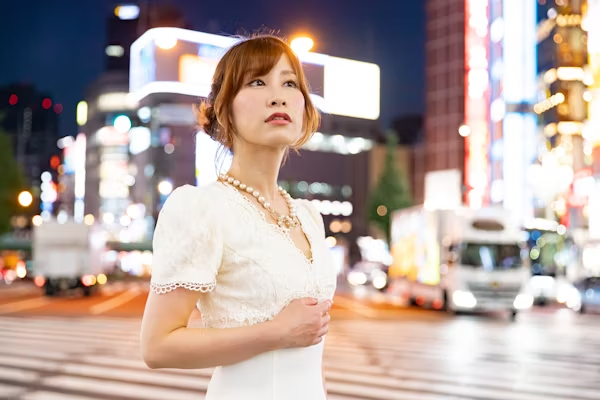
Japanese fashion magazines like GISELE, FUDGE, and GINZA used to set the trend for all of East Asia. But now, their appeal is fading. How long has it been since we last saw a Japanese model or styling photo that broke through the mainstream? Outside of Japan, Japanese-style counters in shopping malls are also becoming increasingly rare. Snidel, the “first Japanese-style girl brand,” Fray i.d with its urban, mature vibe, and Mila Owen with its retro style are still found in malls today. But they are no longer as popular as before. Their products aren’t sold out or widely copied online anymore. Even Uniqlo, once a fast fashion leader, has seen a drop in sales and popularity. In 2021, the stock price of Fast Retailing, Uniqlo’s parent company, fell 18%. The decline in Japanese fashion’s appeal shows a lack of innovation in local brands. Street culture is fading. A more conservative mindset has taken over, with less interest in trying new styles.
Japanese fashion, once a global trendsetter, has shifted in the past decade. Innovation has slowed, and minimalist, comfortable styles now dominate. This reflects Japan’s attention to detail in design. However, these styles have stayed the same for years. Japan’s economic stagnation, aging population, and “conformist” culture have influenced this. Meanwhile, South Korea and Western fashion have embraced creativity and individuality. In contrast, Japan’s fashion industry lacks innovation and has a conservative mindset. As a result, Japanese fashion’s appeal has dropped, both in Japan and globally. Brands are struggling to adapt to changing demands.