


We’ve all been there. You buy a nice new shirt, throw it in the laundry, and it shrinks! Clothes shrinking is a common laundry problem, but it’s avoidable. No matter if it’s cotton, wool, or synthetic fabrics, you can take simple steps to prevent shrinkage. Here’s everything you need to know to keep your clothes in top condition.
1. Tailor Your Approach: Shrinkage Rates for Different Materials
We need to tailor our approach. Not all materials shrink in the same way, and knowing what you’re working with can save you a lot of trouble.
Cotton and Wool
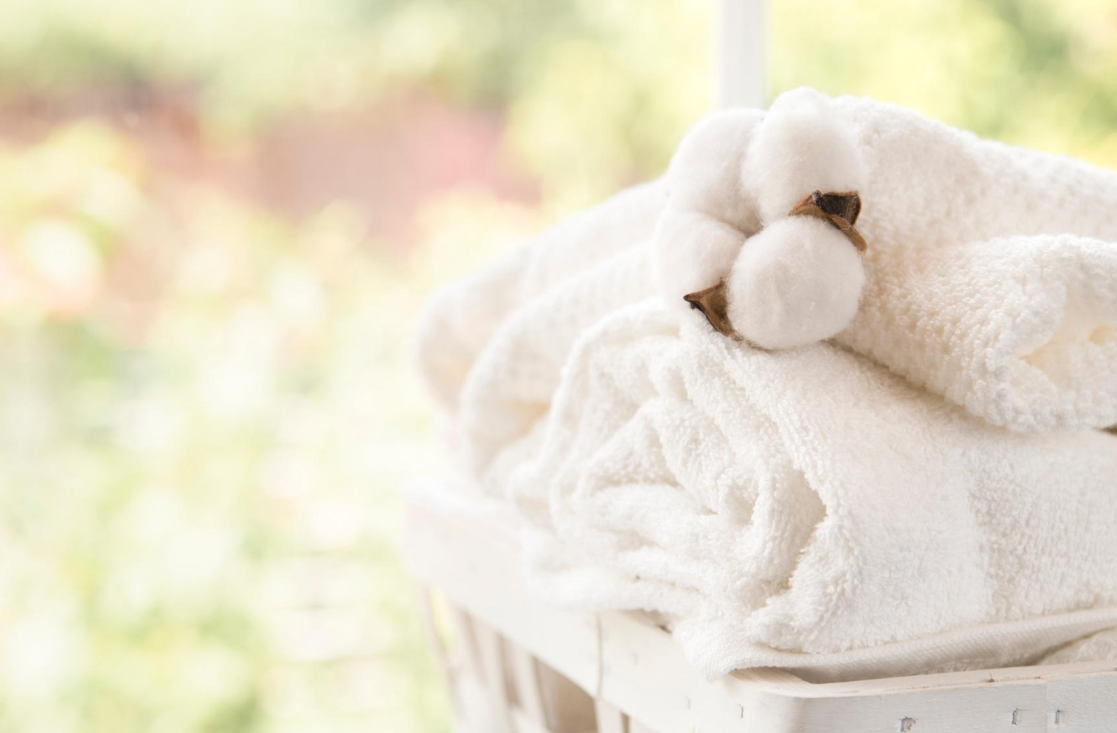
Cotton and wool are most likely to shrink because of their fiber structure. Cotton fibers expand when wet. Hot water and high heat cause them to shrink. Wool fibers have scales on their surface. These scales rub together in hot water, causing the fibers to shrink. If your wardrobe contains a lot of cotton and wool garments, it’s best to wash them with care.
Synthetic Fiber Fabrics
Synthetic fabrics are made from chemically processed fibers. They are durable, wrinkle-resistant, and easy to clean. These materials are less likely to shrink. However, improper washing can still cause them to shrink. Therefore, even with these more durable fabrics, careful maintenance is still required.
Tip: Simply check the care label on the garment to determine its composition and how to properly care for it.
2. How to Prevent Clothes from Shrinking During Washing
Using the correct washing method can effectively prevent clothes from shrinking. Here are some effective methods to prevent shrinkage during washing.
Wash in Cold Water
One of the simplest ways to prevent clothes from shrinking is to wash them in cold water. Most clothes shrink after washing because hot water damages the fabric’s fibers. The heat causes the fibers to contract. Cold water helps prevent shrinkage. It keeps clothes in shape and size, especially cotton and wool. When washing clothes, you can choose water below 20°C to reduce the damage caused by heat to the fibers. Additionally, cold water is better for the environment and your energy bill.
Choose a Gentle Cycle
Shrinkage happens when the fiber structure breaks down. To avoid this, try not to damage the fabric’s fibers. When using a washing machine, choose a gentle cycle. This reduces friction and protects the fibers. It’s especially helpful for delicate fabrics like wool and silk, or stretchy clothes. The gentler the wash, the less likely your clothes are to shrink.
Avoid Overloading the Washing Machine
People often try to fit as many clothes as possible into the machine. However, overloading it can lead to uneven washing. This can lead to uneven shrinkage or stretching in certain areas of the garment. Ensure there is enough space for the clothes to move freely.
3. Tips for Drying After Washing
The way you dry clothes has a significant impact on whether they shrink. Choosing the right drying method is crucial for preventing shrinkage.
Air-Drying Outdoors
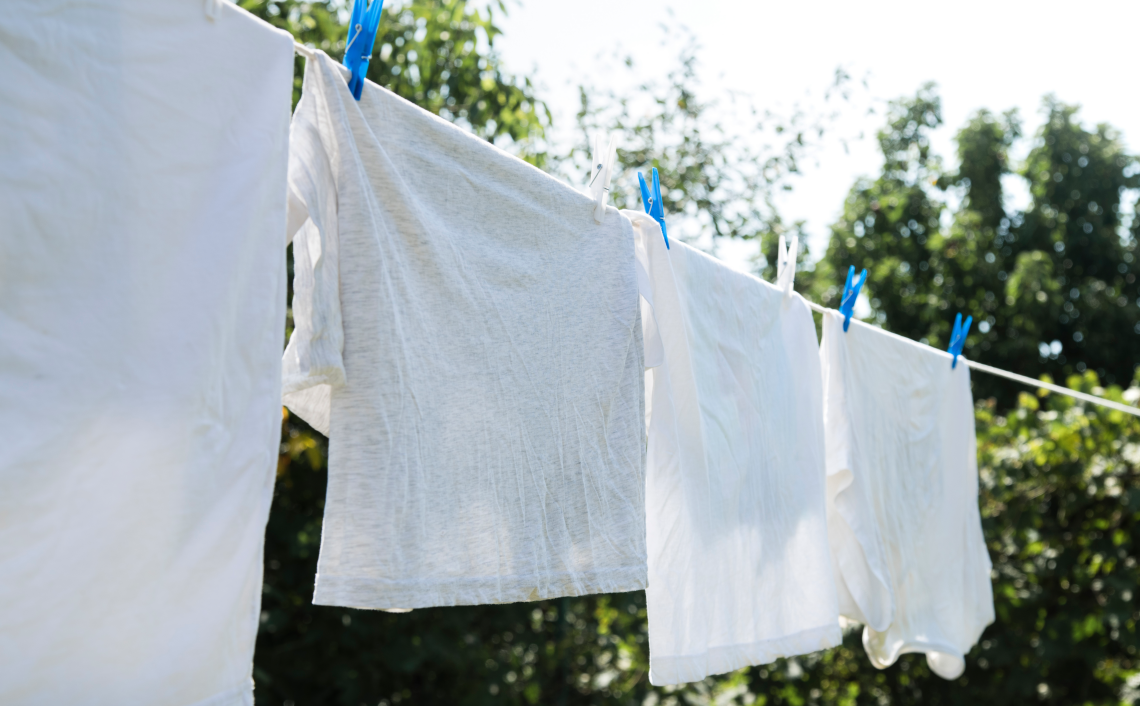
Air-drying involves allowing moisture to evaporate naturally at room temperature. Hanging clothes on a clothesline or laying them flat on a drying rack helps keep their shape. This avoids the heat from a dryer. If you live in a dry climate, such as most of the western United States, air drying is particularly effective. Just make sure to hang the clothes in a well-ventilated area. However, avoid direct sunlight, as it can cause the clothes to fade.
Avoid Using a Dryer
The high temperatures produced by tumble dryers are one of the main causes of shrinkage. If you must use a dryer, avoid high-heat settings, as high heat can cause fibers to shrink. Instead, choose a low-heat setting or the “air dry” function. This dries clothes without heat, just tumbling them. Remove clothes from the dryer as soon as they’re dry. Over-drying can cause more shrinkage.
Tip: For clothes that are prone to shrinking, avoid using a dryer altogether. Air drying is always safer.
4. Special Fabrics and Their Care
Certain fabrics require special care to prevent shrinking. Here are ways to protect these sensitive materials:
Wool and Cashmere
Wool and cashmere are soft and comfortable but also prone to shrinking. The best way to care for these fabrics is to hand-wash them in cold water using a mild detergent. If you prefer machine washing, use a wool cycle or place the garments in a mesh laundry bag for protection. Remember to air-dry rather than tumble-dry. For items like wool sweaters or scarves, use a flat-drying method to maintain their shape.
Elastic Fabrics
Clothes made from elastic materials, like spandex or elastic fibers, can lose their shape with high heat. They’re unlikely to shrink, but improper drying can make them lose their elasticity. To maintain their shape, wash them in cold water and then air dry them.
This guide provides practical advice on preventing clothes from shrinking. It highlights the importance of knowing fabric types. Cotton and wool are most likely to shrink because of their fiber structure. Synthetic fabrics are more durable but still require careful maintenance. The article suggests washing clothes in cold water. This helps prevent fiber contraction from hot water. Use a gentle cycle and don’t overload the washing machine. This helps reduce friction and damage. For drying, air-drying is best, especially in dry climates. If using a dryer, set it to low heat. Special fabrics like wool, cashmere, and elastic fibers need extra attention. This helps keep their shape and prevent shrinkage.