


Have you ever thought about your health while enjoying food? We’re often busy with work and life, so we opt for convenient meals. However, this convenience can take a toll on our health. Quick meals can boost cholesterol, especially in the U.S. Fast food and processed foods are all around. As a result, cholesterol levels are rising. But you don’t have to give up your favorite foods or trap yourself in a healthy but uninteresting diet. Today, I’ll share some easy tips on eating and drinking to help lower your cholesterol naturally.
1. What is Cholesterol?
Before we look at how to lower cholesterol, it’s important to understand what cholesterol is. This way, we can address it properly.
Cholesterol is a fatty substance that is a type of steroid. It is found in every cell in the body and is an important component in building cell membranes. Just like fat protects the organs, cholesterol helps protect blood vessels and cells.
There are three types of cholesterol: LDL, HDL, and total cholesterol. LDL stands for low-density lipoprotein. HDL stands for high-density lipoprotein. Total cholesterol includes both LDL and HDL. LDL is often referred to as the “bad cholesterol.” Excess LDL builds up on blood vessel walls, forming plaque. This increases the risk of heart disease. HDL, or “good cholesterol,” carries excess cholesterol back to the liver. It helps reduce cholesterol buildup in the blood vessels. Total cholesterol is the sum of all the cholesterol types in the blood.
2. Dangers of High Cholesterol
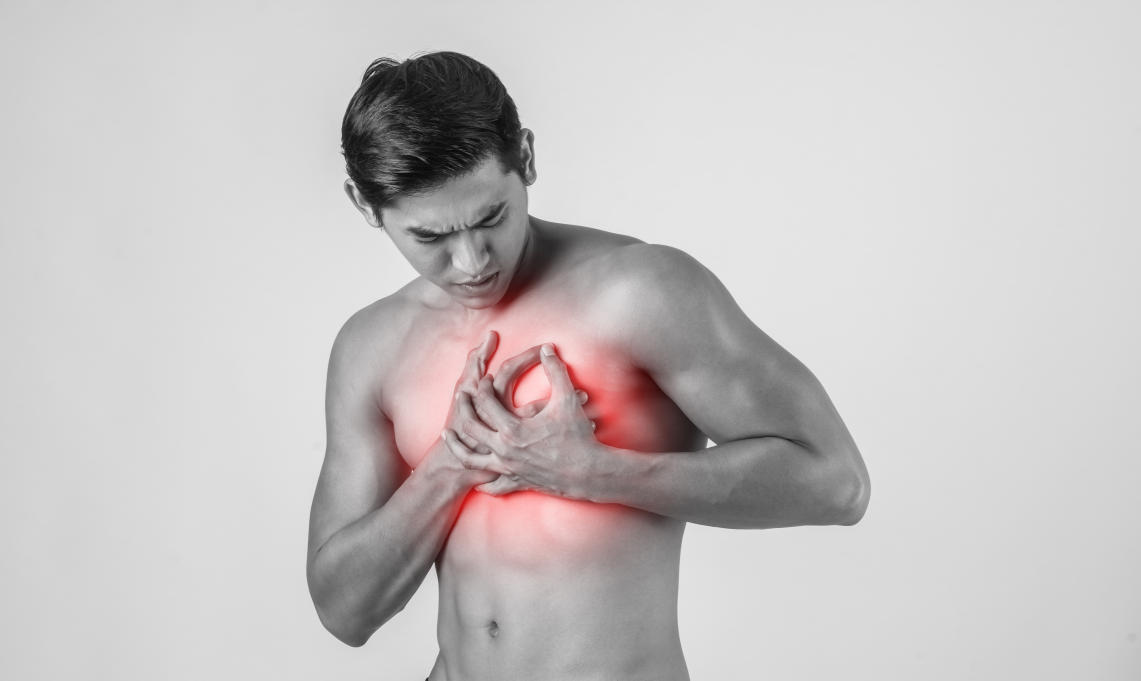
Bad eating, too much sugar and fat, no exercise, smoking, and drinking can all raise cholesterol. Age also plays a role, as cholesterol levels tend to rise over time. Even without these bad habits, it’s still good to take precautions. High cholesterol increases the risk of heart disease. Cholesterol, especially LDL, sticks to blood vessels and forms plaque. Over time, this plaque narrows and hardens the blood vessels, reducing blood flow. This can cause organs like the heart and brain to get less blood, leading to serious health problems. Insufficient blood supply to the heart may lead to angina or heart attack. Insufficient blood supply to the brain may lead to stroke. High cholesterol can also make blood vessels less flexible. This increases resistance to blood flow, which can lead to high blood pressure. High blood pressure itself is also a risk factor for heart disease and stroke.
3. How to Lower Cholesterol Through Diet
A poor diet is the main cause of high cholesterol. So, changing your diet is the best way to lower it. To lower cholesterol, eat foods that improve blood lipids. Cut back on foods that raise cholesterol.
Increase Dietary Fiber Intake
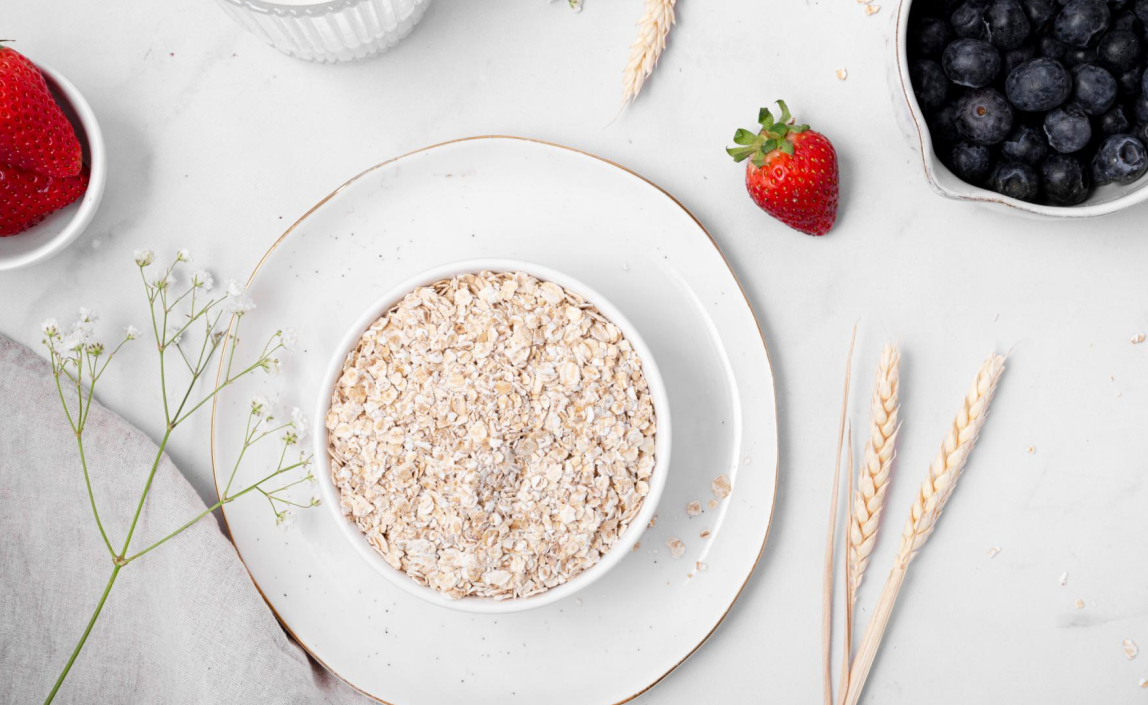
Soluble fiber can help lower LDL. Foods such as oats, beans, fruits, and vegetables are rich in soluble dietary fiber. You can start your day with a bowl of oatmeal. It’s packed with beta-glucan, which helps lower cholesterol. You can also add more black beans and red beans to your diet. They help remove excess cholesterol from the body. Apples, carrots, strawberries, etc. are rich in fiber and can help lower cholesterol.
Choose Healthy Fats
There are different types of cholesterol. Bad cholesterol, like LDL, can build up fat and block blood vessels. On the other hand, good cholesterol helps remove excess fat from the blood. So, choosing healthy fats can improve the balance of cholesterol in your body.
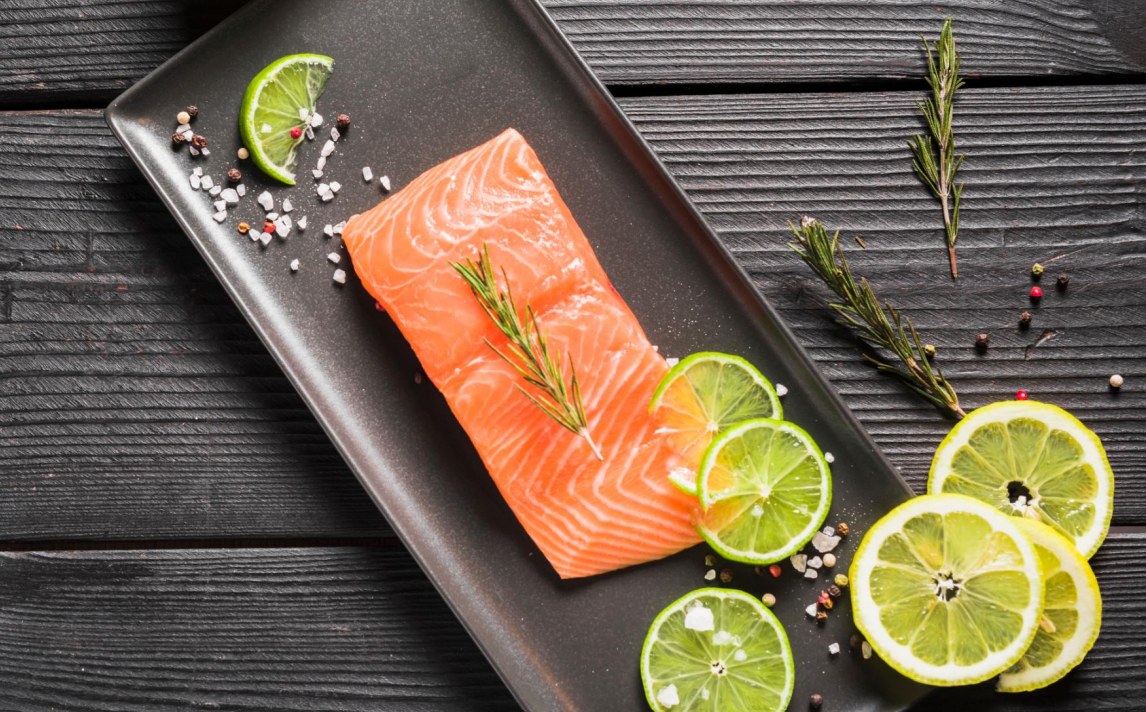
Unsaturated fats contribute to good health. Olive oil, avocados, and nuts (like almonds and walnuts) are rich in monounsaturated fats. These fats are good for your health. These fats are healthy and good for you. These fats are good for you. These fats are healthy for you. These fats are good for your health. These fats can raise HDL (good cholesterol) and lower LDL (bad cholesterol). Polyunsaturated fats, including Omega-3s, are found in deep-sea fish. Examples are salmon, mackerel, and sardines.You can also find them in flaxseeds and chia seeds. These fats help reduce inflammation and protect heart health.
Saturated and trans fats, on the other hand, raise LDL cholesterol levels. Cut back on red meat like beef and lamb, full-fat dairy, and processed foods such as sausages and hot dogs. Avoid margarine and fried foods. Choose low-fat or fat-free options, like low-fat milk, yogurt, and chicken breast.
Reduce Sugar Intake
Eating too much sugar and refined carbs (like white bread and desserts) can lead to weight gain. This can raise your cholesterol levels. Cut back on sugary drinks and snacks. Choose whole grain foods, like whole grain bread and brown rice.
Increase Water and Green Tea
Staying hydrated helps your body metabolize and reduces unhealthy fats in the blood. Green tea, on the other hand, is full of antioxidants. These can lower LDL cholesterol and raise HDL cholesterol.
To lower cholesterol, choose healthy fats. Eat more fiber and plant sterols. Cut back on saturated and trans fats. Control your sugar intake as well. Maintaining a healthy weight and exercising regularly also helps lower cholesterol. A balanced diet is important, but staying active matters too. It helps keep your heart healthy and lowers the risk of heart disease and stroke.