


Do you often feel uninspired, easily irritated, and have trouble sleeping?
It’s not that you’re too busy or too tired, it’s probably because you’re lacking in magnesium.
Don’t worry, today we will talk about: How to get magnesium in your diet, with the simplest way to make the body run more smoothly.
What does magnesium do?
You can think of magnesium as your body’s “tuner”.
It’s responsible for making your nerves less tense, keeping your muscles from randomly cramping, helping you stabilize your heartbeat, and participating in energy metabolism. Simply put, without it, the body’s “machine” would be prone to lagging.
What’s more, it is also related to mood, sleep, digestion, and even blood sugar stability!
Am I deficient in magnesium or not?
You may say, “I’m not a doctor, how do I know if I’m deficient or not?”
In fact, it is very simple, see if you have been hit by these conditions below:
You can’t sleep well and wake up easily.
Cramps in hands and feet, especially at night
Poor mental health, easily irritated
Lately, you love to eat chocolate (your body is secretly reminding you of magnesium deficiency)
Constipation, slow digestion
If you hit two or three of these, it’s time to keep an eye out. It’s not a definitive diagnosis, but it’s a little reminder from your body.
How do you supplement magnesium from food? Here comes the super simple list!
You may think you have to take supplements and pills?
NO! The most natural way to supplement magnesium is to start with your daily diet.
Here’s a list that you’re guaranteed to read, eat and buy.
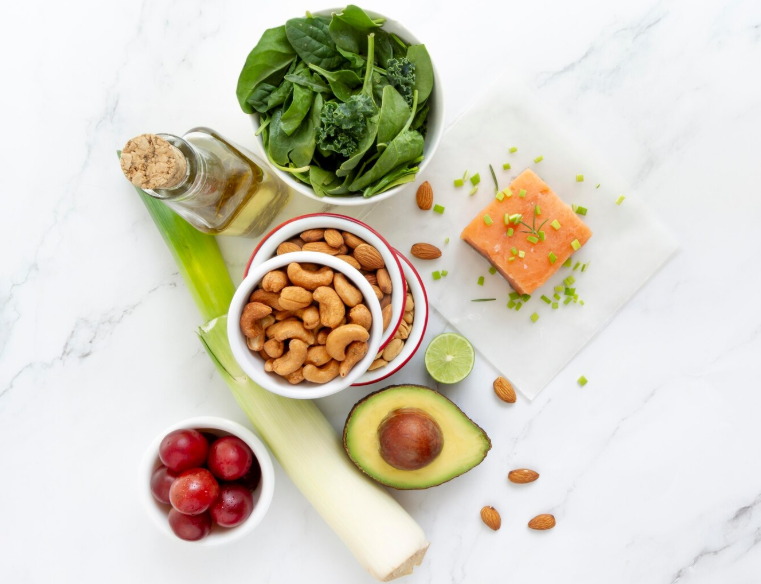
Nuts: the king of magnesium content!
Pumpkin seeds: a small handful (about 30 grams) provides about 150 mg of magnesium.
Almonds, cashews, hazelnuts: both as a snack and as a magnesium supplement.
Peanut butter: natural is good too, just don’t choose anything too sweet.
A handful of nuts a day as an afternoon refill is easy and healthy.
Whole grains: staple food can also be supplemented!
Oatmeal: a bowl of oats + milk for breakfast.
Brown rice, black rice, quinoa.
Whole grain bread: remember to choose “100% whole grain”.
Replace “refined carbohydrates” with “coarse grain carbohydrates”.
Green leafy vegetables:
Spinach, kale, chard, amaranth: green = chlorophyll, and the central atom of chlorophyll is magnesium.
Broccoli, Cabbage: sauteed and tossed are delicious.
One meal a day, remember to put some leafy greens, not all tomatoes and scrambled eggs.
Dark chocolate: don’t think it’s just a snack
The magnesium content in dark chocolate is quite impressive, especially the kind with a cocoa content of 70% or more.
A small piece will make up about 60-70 milligrams of magnesium.
A small piece when you’re in a bad mood will not only heal your taste buds, but also replenish your magnesium along the way, killing two birds with one stone.
Seafood beans: low-key but practical
Salmon (salmon), mackerel (mackerel)
Soybeans, black beans, chickpeas, red beans
Tofu, dried beans, soy milk
A tofu-fish combo twice a week is a great budget-friendly and nutritionally balanced combination.
Magnesium in water too?
Mineral water actually contains natural magnesium, especially hard water.
If you usually drink filtered or purified water, consider switching occasionally to a mineral water brand that has a magnesium content label, such as Evian or some German water brands.
Don’t underestimate that this sip of water may quietly help you replenish dozens of milligrams of magnesium!
A little reminder: tips for absorbing magnesium
Don’t overeat: Eating too fast or too much will affect absorption.
Don’t touch processed foods: the more processed they are, the less minerals they have.
Pay attention to the balance of calcium and magnesium: don’t just supplement calcium, magnesium should be followed, otherwise it is easy to constipation.
Spread the intake every day: magnesium is not easy to store, it is best to eat in meals, do not think of a meal.
Do I need to take supplements?
To be honest, most people through the normal diet is enough.
But if you:
Are chronically stressed and don’t sleep well
Have a very irregular diet
Are pregnant, breastfeeding
Have a tendency to be partial or vegan
Consider taking a magnesium-containing multivitamin, or magnesium supplement (such as magnesium oxide, magnesium citrate, etc.) every day.
It is advisable to consult a doctor or dietitian first to be more stable.
Magnesium is a necessity
Although we seldom mention “magnesium”, it is really not a cold nutrient.It has a lot to do with whether you get tired easily, whether you have insomnia, whether your stomach and intestines are smooth, and even whether your mood is good or not. So if you’re reading this article today, it means you’re already on your way to getting better at magnesium!
Practical action plan (3 super simple steps)
Add a bowl of oats + nuts to your breakfast
Put some spinach/broccoli in your lunch dish.
In the afternoon, have a piece of black chocolate or a cup of soymilk
Easily, naturally replenish magnesium without pills!