


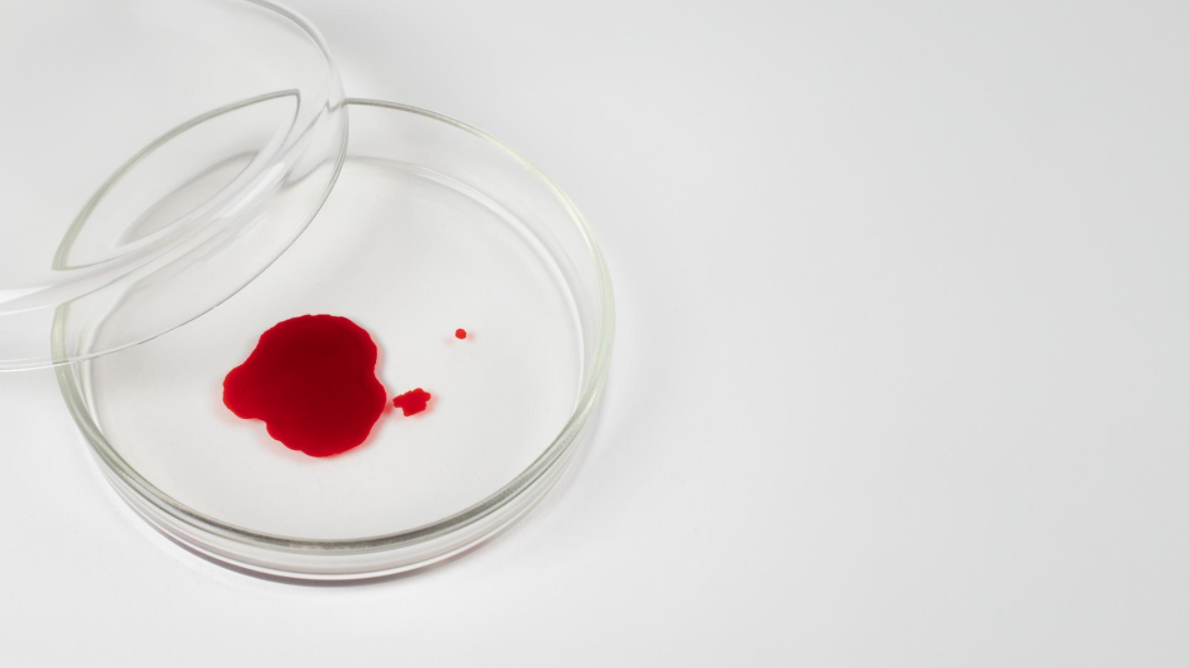
You just bought a new shirt or your favorite T-shirt, and then, out of nowhere, some blood from a small cut or an accidental scrape lands on it. You freeze up and think: “How do I get this blood stain out?” Should I just throw it away or is there hope for it? Don’t worry! Here are some super practical tips to help you easily deal with blood stains, saving you both time and money. Whether it’s fresh blood or dried blood, these methods will help!
Why Are Blood Stains So Hard to Remove?
Let’s first explain why blood stains are difficult to clean. This will give you a better understanding of what’s going on. Blood contains proteins and iron. Once it dries on fabric, it bonds tightly with the fibers.
Especially with dried blood stains, if you don’t wash them properly, they can become even more stubborn and leave dark, permanent marks. The longer the stain sits, the harder it becomes to remove, so it’s really important to act quickly once you notice the stain!
Tip 1: Rinse with Cold Water – Never Hot Water!
This is the most important first step. When you first notice a blood stain, whatever you do, do not use hot water! Hot water can cause the proteins in the blood to set, which makes the stain even harder to remove.
Instead, rinse the stain immediately with cold water or soak the clothing in cold water. Cold water helps dilute the fresh blood stain, making it easier to wash away. It also prevents the stain from spreading further.
If the stain is small, you can gently press a cloth soaked in cold water against the stain. Avoid rubbing the stain, as rubbing can cause the blood to spread and make things worse.
Tip 2: Soak in Salt Water to Help Break Down the Stain
If the stain is still there after you’ve rinsed it with cold water, try soaking it in salt water. Salt helps to break down the proteins in the blood.
To do this:
- Fill a basin with cold water.
- Add about 1 tablespoon of salt and stir it well.
- Soak the garment in the solution for at least 20-30 minutes.
- After soaking, gently rub the stained area, then rinse with cold water.
This method works especially well on light-colored clothes and cotton fabrics. After soaking the garment, you can proceed to the next step for a deeper clean.
Tip 3: Use Soap or Laundry Detergent to Clean the Stain
After soaking in salt water, the blood stain should have loosened up a bit. Next, you can use regular soap or laundry detergent to tackle the stain.
- Wet the stained area and apply some soap or laundry detergent directly to it.
- Use your fingers or a soft brush (like an old toothbrush) to gently scrub the stain. Be sure to scrub gently so you don’t damage the fabric.
Rinse the area with cold water to remove the soap or detergent. Check if the stain has faded. If the stain is still there, repeat this process.
Tip 4: What About Dried Blood Stains? Use Hydrogen Peroxide
Dried blood stains can be a real challenge, but they’re not impossible to clean! If you have hydrogen peroxide (H2O2) at home, you can use it to help remove the stain.
- Dab a small amount of hydrogen peroxide onto a cotton swab or clean cloth.
- Gently apply it to the stain. You may see some bubbling—that’s the hydrogen peroxide breaking down the blood stain.
- Wait about 1 minute, then rinse the area with cold water.
Important note: Hydrogen peroxide can be harsh on certain fabrics, especially dark or easily faded clothes. It’s a good idea to test it on an inconspicuous part of the garment before using it on the stain.
Tip 5: Use Ammonia Solution (For White Clothes Only)
Ammonia has strong stain-removing properties, but it can also damage clothes if used incorrectly. If you’re dealing with white or light-colored clothes and the other methods didn’t work, you can try using ammonia.
- Mix ammonia with water in a 1:8 ratio.
- Use a sponge to dip into the solution, then gently dab it on the blood stain.
- After treating the stain, rinse with cold water.
Make sure to do this in a well-ventilated area, wear gloves, and avoid using ammonia on colored fabrics. It’s not recommended to use ammonia frequently.
Tip 6: Don’t Toss It in the Washing Machine Right Away
A lot of people make the mistake of tossing the stained clothes directly into the washing machine. However, using hot water or a heavy-duty cycle can set the stain even further, making it harder to get rid of.
Instead, treat the stain with the methods mentioned above, then wash the clothes in the washing machine on a cold cycle.
Tip 7: Lemon Juice Can Help Too!
Lemon juice is known for its natural bleaching and protein-breaking properties, which makes it effective at removing blood stains.
Here’s how to use it:
- Cut a fresh lemon and squeeze the juice directly onto the blood stain.
- Let it sit for about 10 minutes, then rinse the area with cold water.
Important: Lemon juice works best on light-colored fabrics. Be cautious when using it on colored clothes, as it may cause fading.
Bonus Tip: Prevention is Better Than Cure
Of course, the best way to deal with blood stains is to avoid them in the first place. If you’re prone to cuts or accidents, consider wearing clothing that’s darker in color or made of fabrics that are less likely to absorb stains.
Also, it’s helpful to have a stain-removal product on hand for those unexpected moments when blood stains do happen. The quicker you act, the easier it will be to remove the stain.
Conclusion
Blood stains can be a pain, but with the right approach, they don’t have to ruin your favorite clothes. Whether it’s fresh blood or a dried stain, using cold water, salt water, soap, hydrogen peroxide, or even ammonia (for white clothes) can help. The key is to act quickly and treat the stain as soon as possible.
Remember: don’t use hot water, and don’t throw your clothes in the washing machine right away. With these tips, you’ll be able to get blood out of your clothes easily and keep them looking as good as new.
Hope this helps, and now you’ll never have to worry about blood stains again!