


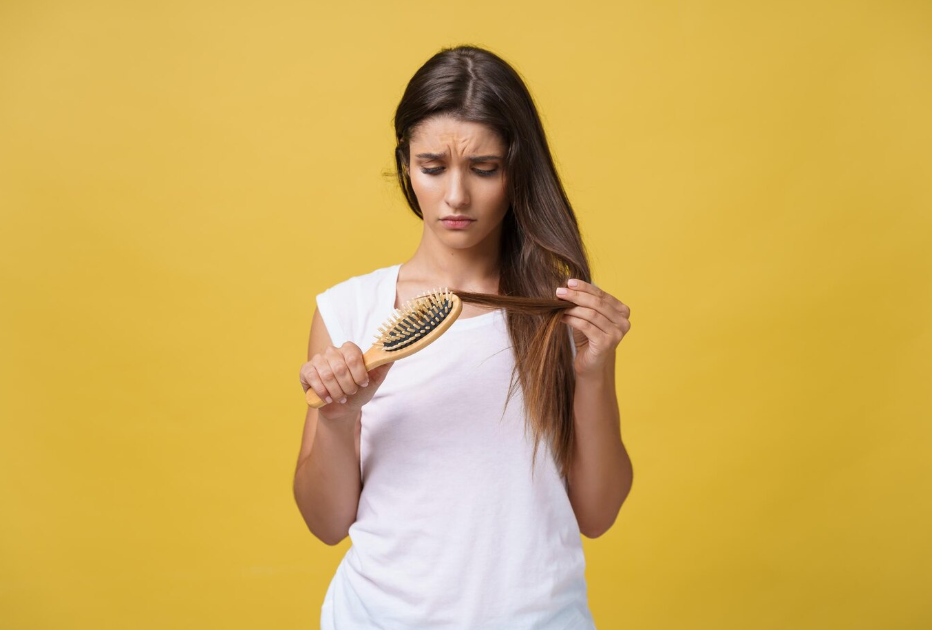
“Split ends” or “dry and frizzy hair”… Do you often struggle with these hair issues? Hair damage from dyeing, frequent blow-drying, excessive styling, and a fast-paced lifestyle can all contribute to hair problems. Don’t worry! Today, let’s talk about how to fix damaged hair. We’ll cover everything from the right hair care routine, daily habits, diet, to DIY hair masks. Let’s get started and help your hair regain its strength and vitality.
1. Identify the Causes of Damage to Address Them
Before we get started, take a moment to reflect on what might be damaging your hair. Ask yourself:
- How often do you dye your hair?
Frequent dyeing or perming can weaken the keratin in your hair, making it thinner. - What temperature do you use when blow-drying?
High heat from blow-drying or styling tools can strip moisture from your hair. - What kind of products do you use for washing?
Harsh shampoos with chemicals can leave your hair dry and brittle. - How do you comb your hair?
Tugging at wet hair can easily cause breakage. - How’s your diet and lifestyle?
A lack of protein or essential minerals, as well as high stress, can affect your hair health.
Write down these factors, and in the next sections, we’ll address them one by one.
2. Proper Hair Care Routine
1. Alternate Between Warm and Cold Water
- Start by wetting your hair with warm water to remove dirt and oils from the scalp and hair.
- Finish by rinsing with cool water to help close the hair cuticles, making your hair smoother and shinier.
2. Choose the Right Shampoo and Conditioner
- If your hair is severely damaged, choose products labeled as “repairing” or “nourishing,” ideally containing proteins or collagen.
- When shampooing, massage gently with your fingertips (not nails) to avoid further stress on the scalp.
- Apply conditioner mainly to the ends of your hair, avoiding the scalp, and leave it on for 2-3 minutes before rinsing.
3. Deep Conditioning Once a Week
- Once a week, apply a deep conditioning mask or nourishing oil.
- After washing, apply the mask evenly and wrap your hair in plastic wrap or a warm towel, leaving it for 10-15 minutes before rinsing.
- This allows the nutrients to penetrate the hair shaft and not just stay on the surface.
3. Daily Hair Care Habits
- Wash Your Hair Less Often: Unless your scalp is excessively oily, washing your hair 2-3 times a week is enough. Over-washing strips your hair of natural oils.
- Be Gentle When Combing: Wet hair is more fragile. Pat it dry with a towel and then use a wide-toothed comb to detangle it gently.
- Limit the Use of Hot Tools: Avoid using high-heat styling tools. If you must, always use them on low to medium heat.
- Trim Regularly: Visit the salon every 2-3 months for a trim to remove split ends and keep your hair looking neat.
4. Nutrition and Diet for Healthier Hair
Your hair needs good nutrition to grow healthy. Let’s improve it from the inside out.
1. Protein-Rich Foods
Eggs, fish, lean meats, and legumes are all great sources of protein. Since hair is made up of keratin (a type of protein), insufficient protein can lead to hair breakage.
2. Essential Minerals
- Iron: Red meat, spinach, and red dates are good sources of iron, which helps prevent hair loss.
- Zinc: Seafood and nuts are rich in zinc, which helps repair hair roots.
3. Healthy Fats
Healthy fats from avocados, olive oil, and nuts help your body absorb vitamins and keep your hair soft and manageable.
4. Drink Plenty of Water
Aim for at least 1.5 liters of water a day. Hydration is key to preventing dry and brittle hair.
5. Easy DIY Hair Masks
You can use simple kitchen ingredients to make your own hair masks. After applying, wash your hair as usual and follow up with conditioner.
Mask 1: Egg + Honey
- Take one egg, beat it, and add one tablespoon of honey.
- Apply this mixture to the ends of your hair and leave it for 20 minutes before rinsing.
- Eggs provide protein, while honey helps retain moisture.
Mask 2: Olive Oil + Banana
- Mash half a banana and add two tablespoons of olive oil.
- Apply this to your damaged hair and leave it on for 15 minutes.
- Bananas contain vitamins, and olive oil helps soften the hair.
Mask 3: Simple Coconut Oil Treatment
- Apply a small amount of coconut oil to the ends of your damp hair.
- Leave it overnight or for at least 2 hours before washing it out.
- Coconut oil has small molecules that can penetrate deep into the hair.
6. External Protection
- Sun Protection: UV rays can dry out your hair. Wear a hat or use a hair sunscreen spray when exposed to strong sunlight.
- Post-Swimming Care: Chlorine in swimming pools can damage your hair. Apply a bit of leave-in conditioner before swimming and wear a swim cap. Rinse your hair immediately after swimming and follow up with a nourishing treatment.
7. Commonly Asked Questions
Q1: Can my hair fully recover?
A: Unfortunately, once hair is damaged, the dead cells can’t be revived. However, by trimming and nourishing new hair, you’ll see significant improvements over time.
Q2: Can I use hair masks every day?
A: It’s not necessary. Hair masks are nutrient-dense, so using them 1-2 times a week is enough to avoid buildup.
Q3: How long after dyeing can I do a deep conditioning treatment?
A: Wait at least one week before doing any deep conditioning. This gives the dye time to settle, and you won’t disrupt the color.
With patience and consistent care, your hair will gradually become healthier. Start today, and say goodbye to dry, frizzy hair! What are your go-to hair care tips? Share them in the comments below and let’s chat!